Loading Report View…
0/ 100
deepzen.net Website Audit Report
deepzen.net scored 69 out of 100 in this SavageAudit website audit covering Performance, SEO, Design, Copy, User Experience, and Conversion. The report uses captured website evidence to explain what is working, what is limiting the experience, and which improvements deserve attention first.
“A beautiful mission buried under a fog machine of self-inflicted confusion.”
Deep Zen tries to sell calm, but the homepage feels like it drank three espressos and forgot what serenity is. The brand has real credibility; the page just keeps tripping over its own outfit while trying to tell you about it.
 https://deepzen.net/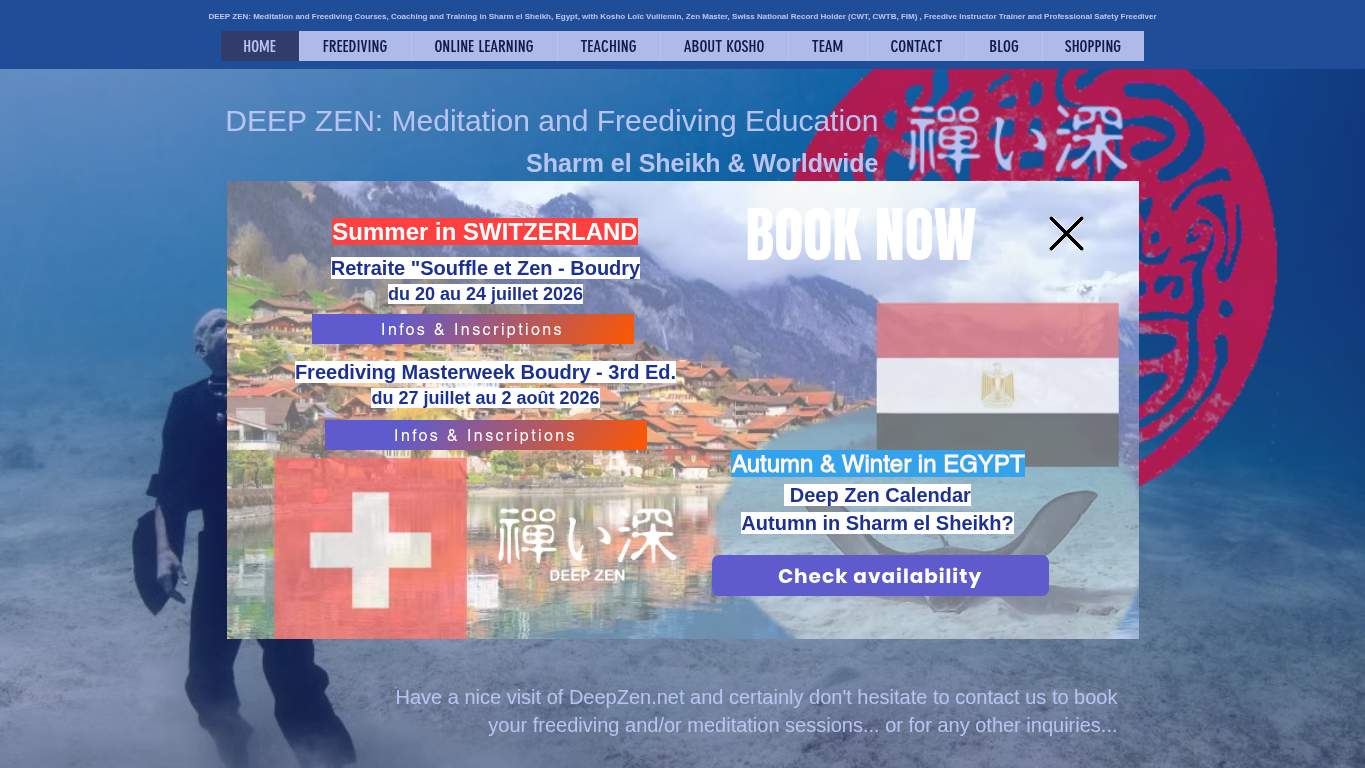
TECHNICAL SUMMARY
The good news: crawlability, canonical, structured data, and social metadata are all in decent shape, with no console errors and a clean redirect to the www version. The bad news: performance is where the site sets money on fire — Largest Contentful Paint is 16.1 s, Speed Index is 16.2 s, Total Blocking Time is 5,370 ms, and bootup time is 10.5 s. With 2,437 KiB of total byte weight and 342 KiB of unused JavaScript, the page is making users wait through the digital equivalent of a spreadsheet closing ceremony.
Where It Burns
6 categoriesWebsite Audit Findings for deepzen.net
SavageAudit identified 36 visible findings and recommendations across 6 audit categories. Each section below combines the category score with observed evidence and prioritized fixes.
2801 PERFORMANCELCP 16.1 s9202 SEOSEO Score 1008003 DESIGNFont Families 208604 COPYTitle Length 72 characters5805 UXButton Count 88506 CONVERSIONCTA Count 4
01
PERFORMANCE AUDIT
28
LCP16.1 sSpeed Index16.2 sTBT5,370 msTotal Byte Weight2,437 KiB
- 🔥Largest Contentful Paint is 16.1 s, which is not a hero section — that’s a delayed financial audit.
💀
The page is asking users to hold their breath longer than the freediving course does.
- →Compress the hero assets and convert them to WebP/AVIF so the above-the-fold section stops dragging LCP around by the ankle.LCP: 16.1 sImpact: highEffort: medium
Why this matters
The hero is visibly the main bottleneck, and a 16.1 s LCP means users wait forever for the page’s first real impression.
- →Defer non-critical JavaScript and cut render-blocking resources so the main thread can breathe again.TBT: 5,370 msImpact: highEffort: medium
Why this matters
A 5,370 ms TBT means scripts are hogging the browser like a tenant who ‘just needs one more month.’
- →Enable CDN caching and long cache TTLs for static assets so the first paint stops acting like a negotiation.FCP: 2.6 sImpact: mediumEffort: low
Why this matters
A 2.6 s FCP is not catastrophic, but caching can shave off needless waiting and get visible content on screen faster.
02
SEO AUDIT
92
SEO Score100Redirect Count1Missing Alt2Citability BlocksNone
- 🔥The SEO is oddly the adult in the room: 100 on PageSpeed SEO and a clean canonical match to https://www.deepzen.net/.
💀
SEO has its paperwork together, but the title is wearing too many badges and the content still skips citation-ready answers.
- →Shorten the title tag to under 60 characters so the brand doesn’t arrive at search results with a suitcase full of syllables.Title Length: 72 charactersImpact: mediumEffort: low
Why this matters
A 72-character title is too long for clean SERP presentation and risks truncation of the core offer.
- →Add descriptive alt text to every meaningful image so the page stops leaving two visuals completely unreadable to search and assistive tech.Missing Alt: 2Impact: mediumEffort: medium
Why this matters
Two missing alt attributes means important imagery is invisible to crawlers and screen readers where context matters.
- →Add citation-ready answer blocks with concrete facts and proof points so the site has something extractable besides vibes and credentials.Citability: NoneImpact: mediumEffort: medium
Why this matters
Without citability blocks, the page has less reusable answer material for search and AI extraction.
03
DESIGN AUDIT
80
Font Families20Images16Missing Alt2Headings5 total
- 🔥There are 20 font families on this page, which is less a design system and more a typography witness-protection program.
💀
The visual stack has enough typefaces to open a museum, but not enough restraint to open calmly.
- →Reduce the font stack from 20 families to 2–3 so the page stops looking like a committee meeting in a type foundry.Font Families: 20Impact: mediumEffort: low
Why this matters
Twenty families create inconsistent tone and make the visual system feel improvised instead of intentional.
- →Add supporting imagery in places that clarify the offer, because 16 images without stronger layout purpose still leaves the page feeling visually overstuffed.Images: 16Impact: mediumEffort: medium
Why this matters
The image count is substantial, but the design still needs more intentional visual hierarchy to support the offer.
- →Fix the missing alt text on the 2 affected images so the visual layer stops failing basic accessibility checks.Missing Alt: 2Impact: mediumEffort: medium
Why this matters
Missing alt text undermines usability and accessibility, especially on image-heavy pages.
04
COPY AUDIT
86
Title Length72 charactersWord Count349Sentence Count13CTA Count4
- 🔥The title tag is 72 characters long, which is a lot of promise for a snippet that only gets one tiny audition.
💀
The messaging knows the résumé, but it keeps forgetting the one-sentence reason anyone should care.
- →Tighten the headline so it states the value in one sentence instead of auditioning for the longest business card in Egypt.H1 Count: 1Impact: mediumEffort: low
Why this matters
The page has one headline to do the heavy lifting, so it needs to communicate the offer cleanly and fast.
- →Break the long paragraphs into shorter sentences and bullets so the credential stack stops reading like a breath-hold challenge.Avg Words/Sentence: 27Impact: mediumEffort: medium
Why this matters
At 27 words per sentence, readability is doing extra reps it did not consent to.
- →Make one CTA primary and let the others step back so the page stops treating every button like a lead singer.CTA Count: 4Impact: mediumEffort: low
Why this matters
Four CTAs dilute the message and make the page less decisive about the next step.
05
UX AUDITUSER EXPERIENCE AUDIT
58
Button Count8CTA Count4Link Count59Form Fields1
- 🔥Eight buttons and four CTA texts means the interface is giving directions like a taxi driver with four GPS apps fighting each other.
💀
The user path exists, but it wanders around the screen like it missed the meeting invite.
- →Make navigation and footer links consistent across pages so users don’t feel like the site is changing its story mid-tour.Nav/Footer: Nav / FooterImpact: lowEffort: medium
Why this matters
Consistency matters when the page already has a high link count and multiple competing paths.
- →Reduce the form to only the essentials — it already has 1 required input, so keep it lean and obvious.Form Fields: 1Impact: lowEffort: medium
Why this matters
A minimal form is good, but preserving that simplicity prevents unnecessary abandonment.
- →Keep runtime errors at zero and monitor failed assets in production so the page doesn’t quietly regress into a browser tantrum.JS Errors: 0Impact: lowEffort: low
Why this matters
The current state is clean; ongoing monitoring keeps the experience from degrading unnoticed.
06
CONVERSION AUDIT
85
CTA Count4Contact PathPresentSocial Proof1Link Count59
- 🔥There are 4 CTAs, but none of them behaves like the obvious adult in the room.
💀
The offer is credible, but the page keeps scattering attention just when it should be closing.
- →Put one primary CTA above the fold that matches the main offer so visitors don’t have to decode the menu like an escape room.CTA Count: 4Impact: mediumEffort: low
Why this matters
Four competing CTAs weaken urgency and make the next step less obvious.
- →Place social proof directly beside the main CTA so the page stops making trust do a solo performance.Social Proof: 1Impact: mediumEffort: low
Why this matters
With only one visible trust signal, placement matters if the goal is to convert visitors fast.
- →Offer a low-friction contact option that is impossible to miss, because a present contact path is good only if people can find it without a map.Contact Path: PresentImpact: lowEffort: medium
Why this matters
The path exists, but the page’s competing elements may still bury it from users who are ready to reach out.
Audit overview
deepzen.net Audit Summary
The good news: crawlability, canonical, structured data, and social metadata are all in decent shape, with no console errors and a clean redirect to the www version. The bad news: performance is where the site sets money on fire — Largest Contentful Paint is 16.1 s, Speed Index is 16.2 s, Total Blocking Time is 5,370 ms, and bootup time is 10.5 s. With 2,437 KiB of total byte weight and 342 KiB of unused JavaScript, the page is making users wait through the digital equivalent of a spreadsheet closing ceremony.
Based on the category scores in this report, SEO is the strongest area while Performance has the most room for improvement.
How SavageAudit Evaluated deepzen.net
SavageAudit evaluated the public website at https://deepzen.net/ across performance, technical SEO, design, copy, user experience, and conversion signals. Scores and recommendations reflect the website evidence available when this audit was generated on June 25, 2026.
Similar Website Audit Reports
Compare this result with other public SavageAudit reports that received a similar overall website score.